
The First Month in Belgrade: What I Would Tell Myself After Moving

Moving is always difficult. Moving to a new country is always chaos: a new city, a new language, new products in shops, and the feeling that everyone around you knows some secret that nobody thought to explain to you. I went through this myself – and at Slovo, a Serbian language school and cultural space in Belgrade, we see hundreds of people every year going through the same experience. Here is what I would tell myself during my first month.
The First Days: Don’t Try to Do Everything at Once
You don’t need to find a year-long apartment from another country. It is completely normal to stay in a hotel or hostel for one or two weeks first. This removes unnecessary pressure: you don’t have to rent a place “blindly,” and you can calmly explore the city before signing a rental contract.
White Card: The First 24 Hours
The first thing after arriving is to register your place of stay – this is the famous white card (beli karton). You have 24 hours from entering the country to complete the registration.
If you are staying in a hotel – don’t worry: the hotel will usually register you automatically. If you rent an apartment from a private owner – ask the landlord to arrange the registration or go with you to the police station. Without this document, you cannot apply for temporary residence (privremeni boravak), and border officials may sometimes ask for it when you leave Serbia.
Residence Permit: Start Immediately

If you plan to stay long-term, start collecting documents for your residence permit from the first days. Don’t postpone it until “after you settle in.” There are two reasons. First, Russian citizens can stay in Serbia visa-free for only 30 consecutive days. Before this period ends, you need either to submit your documents or leave and re-enter the country (the so-called “visa run”). Second, the process takes time: document preparation, certified translations by court translators, proof of income—all of this requires planning. Since 2024, applications have been submitted electronically through the state portal.
Bank, Money, Cards

Opening a full bank account in Serbia without a residence permit can be difficult, but it is possible. Check in advance which banks work with foreigners – through expat chats or resources like srb.guide – so you don’t waste time visiting branches randomly. With temporary residence, the process becomes much easier: regular accounts and credit cards become available.
Until then, rely on international cards and cash. Payments in Serbia are made in dinars – in shops, markets, and everyday transactions. Foreign bank cards may not always work everywhere without additional fees.
Exchange rates in different exchange offices (menjačnica) are usually almost identical, so don’t spend hours searching for the “best” exchange office – the difference is usually minimal.
SIM Card: Minutes Matter More Than Gigabytes
Buy a Serbian SIM card during your first days. A local number will be needed everywhere – from banks to food deliveries. And choose a plan with enough minutes, not only mobile internet. Why? Because many things in Serbia are still solved by phone calls rather than messages. I’ll explain why below.
Where to Look for an Apartment
The main websites for long-term rentals:
Halooglasi
4zida
Cityexpert.

Include the commission in your budget from the start. Most apartments in Belgrade are rented through agencies, which usually charge around half a month’s rent, and landlords usually request a deposit equal to one additional month. So during the first month, expect to pay around 2-2.5 times the monthly rent.
When contacting an agent, immediately send the link to the listing and ask whether it is still available – many advertisements remain online after the apartment has already been rented. Tell the landlord from the beginning that you plan to apply for residence. This will prevent unpleasant surprises and filter out owners who are unwilling to provide the documents needed for the application.

When choosing a neighborhood, pay attention to the landscape. Belgrade is built on hills, and this matters not only because of walking uphill. During winter, lower areas often experience more smog because cold air and heating emissions collect there, making air quality noticeably worse during calm weather.
The good news: Since 2025, public transportation in Belgrade has been free, runs frequently, and even operates at night. Some areas are also connected by urban railway. So don’t be afraid to look at apartments farther from the center – the commute may be easier than you expect.
Where to Look for Work
Poslovi Infostud – Serbia’s largest job portal
Jooble – another useful job search website
And don’t underestimate networking. In Serbia, many positions are filled through personal connections. Attend professional meetups and be active in expat Telegram groups – contacts and opportunities often appear there first.
Choosing a School
If you are moving with children, don’t limit yourself to asking in online chats: “Which school is best in this area?” Visit schools personally and speak with the director. In person – even with imperfect Serbian or in English. In Serbia, personal communication matters a lot. The way people welcome you and answer your questions often tells you more than any online ranking or review.
And don’t be afraid of Serbian schools – especially if your child is still in primary school. Serbian schools are generally welcoming. Teachers are attentive to children who are learning the language, and younger children often adapt and make friends faster than parents expect.
Medicine and Insurance
Health insurance is required in any case – it is part of the residence permit documentation package. A policy from a local insurance company can be arranged quickly, and the price depends on the coverage you choose.
For non-urgent issues, private clinics and laboratories are often easier: there are fewer queues, and finding a Russian- or English-speaking doctor is usually possible. Emergency care is provided regardless. The ambulance number is 194.
Institutions Close Early
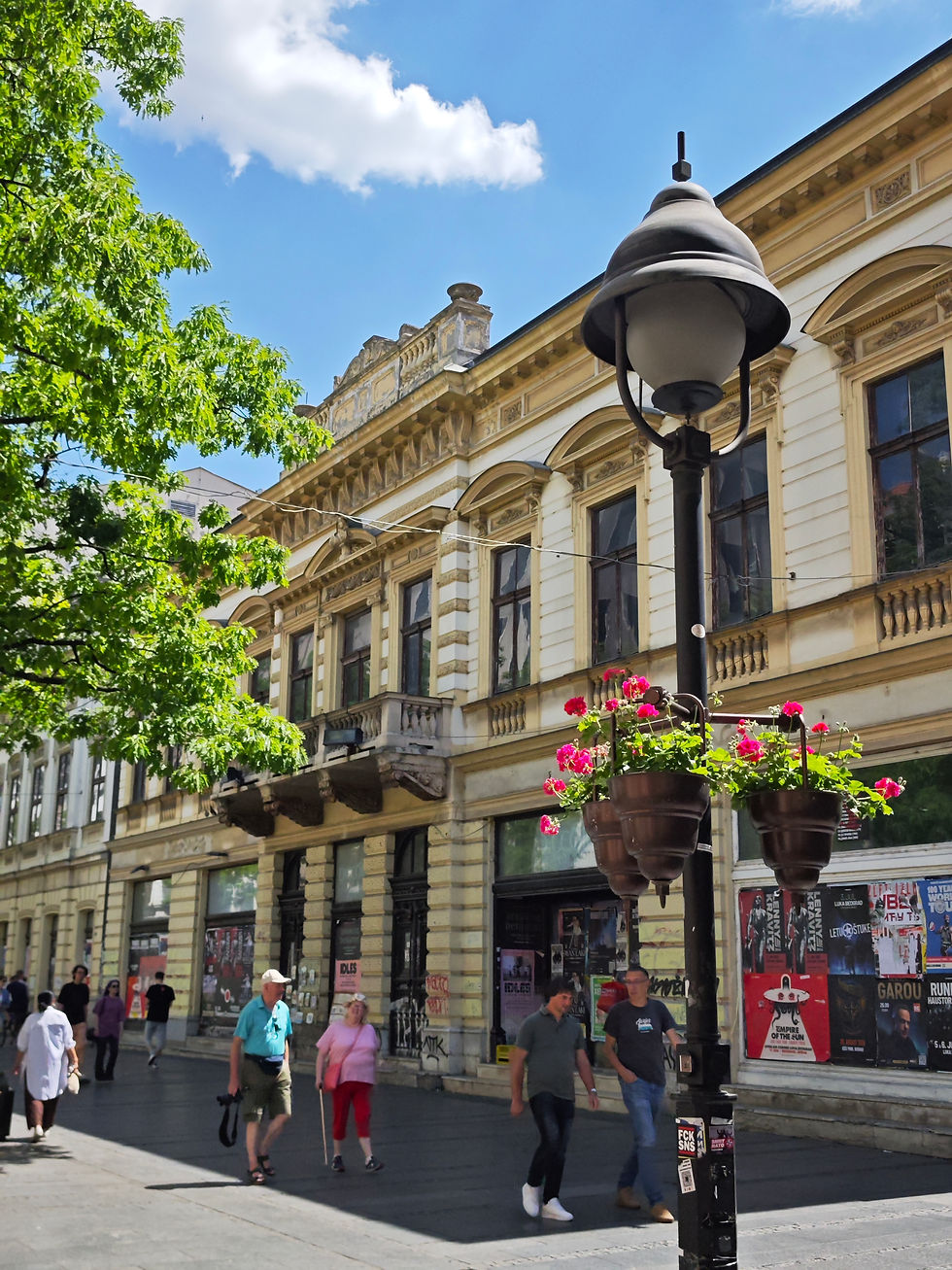
Many institutions – not only government offices – close around 3 PM. After lunch, employees are often already mentally at home. Plan important visits – police, banks, administration – for the morning. Don’t rely on “I’ll quickly stop by after lunch.”
This is also connected to communication culture. Many Serbian organizations do not respond to emails and messages quickly. If something is important, calling or visiting personally is often much more effective. That is why you need that phone plan with enough minutes.
Language: Don’t Be Afraid to Start Small
Serbian can sound both familiar and completely mysterious. Some words seem recognizable but mean something unexpected. Cyrillic and Latin scripts alternate everywhere. That is normal. Everyone goes through this stage.
Don’t wait until you reach a “comfortable level” before going to the shop or post office. Serbians usually appreciate attempts to speak their language, even imperfectly. And if you want a structured approach rather than random internet phrasebooks – come to Slovo courses. You will also meet other people who recently moved and with whom practicing Serbian over coffee after class feels much less intimidating.
Immerse Yourself, Don’t Just Observe
Try buying groceries at a market instead of a supermarket. At markets like Kalenić or Zeleni venac, sellers are usually happy to explain what unfamiliar vegetables are and how to prepare them. Go to lectures or book clubs. That is where you begin making connections that are not based only on “we are all newcomers.”
Where to Find Events
There are far more events in Belgrade and Serbia than it seems at first. The problem is simply that information is scattered across many channels.
Follow cultural institutions directly: museums, galleries, the philharmonic, theaters. Many have Instagram profiles where events appear earlier than in general event listings. And, of course, follow Slovo announcements. Our book club and lectures are also part of Belgrade’s cultural life – just with additional explanations of context.
About the Pace of Life
In Serbia there is a word: polako. Don’t hurry. Slowly. Everything will come in its own time. It is not just a word – it is a way of life. A queue at a clinic, a response to an email, repairs in an apartment – things rarely happen instantly here.
Getting angry about it usually changes nothing.

It is easier to accept this rhythm than fight against it. Moving does not end when you unpack your suitcases. It continues for a long time. But the secret that everyone around you seems to know is actually simple: there is no secret. There is the white card and the application queue. There is the Saturday market. There is polako. And there are people who have already gone through the same journey and are happy to show you the way. The most interesting part is only beginning.
Elena Titova
Student at Slovo


Comments